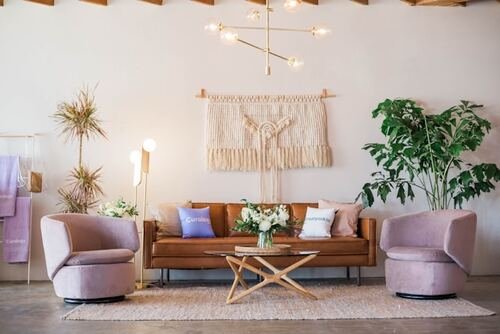
Sustainable Materials: The Eco-Friendly Movement in Furniture
The furniture industry is witnessing a significant shift towards sustainability, driven by increasing awareness of environmental issues and a demand for eco-friendly practices. As consumers become more conscientious about the ecological impact of their purchases, the use of sustainable materials in furniture design has gained prominence. This movement is not only transforming the way furniture is produced but also influencing consumer buying decisions.
Among the leading materials being embraced for sustainable furniture are bamboo, recycled plastics, and reclaimed wood. Bamboo, a rapidly renewable resource, is celebrated for its strength and versatility, making it an ideal choice for various furniture applications. It grows much faster than traditional hardwoods and requires minimal chemicals for maintenance. Similarly, recycled plastics are being creatively repurposed into stylish furniture pieces. By diverting plastic waste from landfills and oceans, manufacturers are not only reducing environmental harm but also creating durable, low-maintenance products.
Reclaimed wood has also become increasingly popular in sustainable furniture design. Sourced from old buildings, barns, or other structures, reclaimed wood not only minimizes the need for new raw materials but also adds character and history to each piece. These options are well-received by consumers who value unique items that contribute to a sustainable lifestyle.
Moreover, a growing number of furniture brands are committing to eco-friendly sourcing and production methods, further fueling the demand for sustainable materials. Companies that prioritize sustainability often emphasize transparency in their supply chains, allowing consumers to make informed choices aligned with their values. As the eco-friendly movement continues to gain momentum, it encourages a shift towards responsible consumption and raises awareness about the important role that sustainable materials play in creating a healthier planet.
Bold Colors and Patterns: Infusing Personality into Spaces
The contemporary furniture landscape is witnessing a significant shift toward incorporating bold colors and striking patterns, moving away from the minimalist and neutral designs that dominated previous years. Homeowners are increasingly embracing vibrant hues and eclectic prints as a means of expressing their individuality and creativity. This trend allows for the transformation of ordinary spaces into visually compelling environments that reflect personal style. Whether it is through a brightly colored sofa, patterned wallpaper, or eclectic accessories, the infusion of bold colors creates distinct focal points that draw attention and ignite conversations.
When integrating colors and patterns into furniture choices, it is essential to strike a balance. Select a dominant color to anchor the space, then layer other complementary shades to create depth and visual interest. For instance, a bright yellow armchair may serve as the focal point, while surrounding neutral tones can provide a backdrop that enhances its vibrancy. Patterns can be introduced through cushions, throws, or area rugs, allowing for versatility without overwhelming the senses. Mixing patterns can also be effective, but caution should be exercised to maintain harmony. Utilizing varying scales and types of patterns—such as florals with geometric prints—can help achieve an aesthetically pleasing look without competing for attention.
The psychological impact of color choices on home ambiance cannot be understated. Warm colors like reds and oranges can evoke feelings of warmth and intimacy, while cool colors such as blues and greens may foster tranquility and calmness. Furthermore, the use of vibrant colors can energize a space, promoting creativity and productivity. With thoughtful consideration of color psychology, homeowners can tailor their environments to suit their desired mood and lifestyle. Embracing bold colors and patterns presents an opportunity to create personalized spaces that resonate with individual preferences, enhancing overall well-being within the home.
Versatile and Multi-Functional Furniture: Adapting to Modern Lifestyles
In recent years, the demand for versatile and multi-functional furniture has surged, driven predominantly by the evolving dynamics of modern living. With a significant number of individuals working from home and the increasing prevalence of smaller living spaces, furniture designed to perform multiple roles has become indispensable. These innovative designs not only save space but also enhance the functionality of homes while maintaining aesthetic appeal.
One prominent example of multi-functional furniture is the sofa bed. This piece cleverly merges comfort and utility, offering a cozy seating area by day and transforming into a bed for guests by night. As homes become more compact, the ability to host overnight visitors without compromising on style or comfort has made sofa beds a sought-after choice for many households.
Another notable trend is the expandable dining table, which caters to varied needs within the same space. Ideal for both intimate family meals and larger gatherings, these tables can be adjusted in size to accommodate the number of diners. The design innovation behind such tables ensures that they remain stylish while providing flexibility, thus fitting seamlessly into different social settings.
Storage ottomans further exemplify the rise of functional furniture solutions. These pieces serve as both seating and storage space, allowing individuals to keep their living areas organized without compromising on style. By offering a discreet way to stow away items, storage ottomans effectively contribute to the overall tidiness of smaller homes.
The popularity of versatile furniture highlights a broader trend towards optimizing space without sacrificing comfort or design. As lifestyles continue to evolve, the importance of adopting furniture that adapts to our changing needs cannot be overstated. Embracing multi-functional designs aids in creating a harmonious living environment that reflects both practicality and contemporary style.
The Return of Vintage and Retro Designs: Nostalgia in Home Decor
In recent years, there has been a noticeable resurgence of vintage and retro designs within the realm of modern home decor. This revival is largely influenced by a collective sense of nostalgia, prompting many individuals to seek out pieces that evoke memories of the past. Characterized by unique shapes, bold colors, and intricate patterns, vintage furniture has the ability to infuse a space with warmth and personality that contemporary designs may sometimes lack.
Nostalgia plays a crucial role in shaping modern decor choices, as consumers increasingly favor items that tell a story. Vintage pieces often come imbued with a sense of history, craftsmanship, and character that new mass-produced furniture simply cannot replicate. Integrating vintage elements into both traditional and modern settings can create an eclectic blend that enriches the overall aesthetic. For example, a mid-century modern chair can pair beautifully with contemporary furniture, while vintage side tables add an inviting touch to a minimalist environment.
The current trend also embraces the importance of thrift shopping and upcycling as avenues for acquiring vintage furniture. This approach not only promotes sustainability but also allows individuals to find one-of-a-kind items that reflect their personal style. Thrift stores, flea markets, and online marketplaces offer a treasure trove of options, inviting furniture enthusiasts to embark on a journey of discovery. Rather than viewing older pieces as outdated, many consumers are recognizing their inherent charm and potential as modern updates to their homes.
In conclusion, the return of vintage and retro designs is reshaping the landscape of home decor. By thoughtfully incorporating these nostalgic elements, individuals can create spaces that are not only visually appealing but also rich in personal history and timeless elegance.